
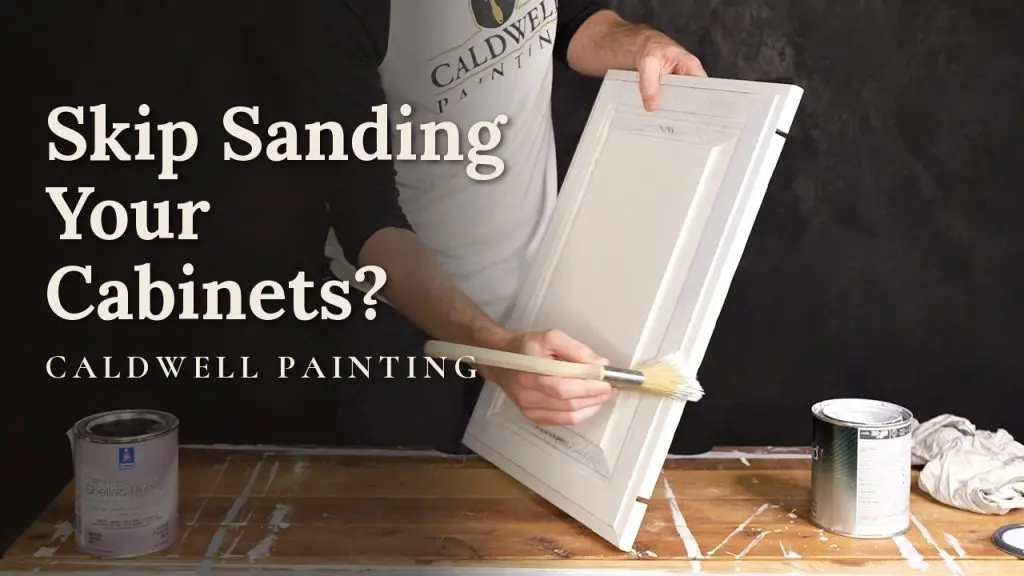
Every week someone asks if they can paint cabinets without sanding, because the cans on the shelf say they can. Technically you can, but in my experience those finishes don’t hold up in a real kitchen. Here’s why sanding matters, and what to use instead.
Every homeowner dreams of a quick, mess free cabinet makeover. The idea of rolling on a single coat of paint on your cabinets without sanding sounds great, especially with all the products out there promising just that. But here’s the catch: I’ve been painting a long time, and I’ve yet to see one of these “miracle” no sanding paints live up to the hype. They might look decent at first, but look a little closer, and the flaws reveal themselves fast. Let’s break it down: what these products promise, why they fail, and how to get a cabinet finish that actually lasts.
Can You Really Paint Cabinets Without Sanding?
Walk into any home improvement store or on social media and you will see a “new” no sand cabinet paint hitting the shelves every year. The marketing is slick and enticing, one coat, no prep, instant transformation. I’ve seen plenty of them, and here’s the reality:
- Short-Term Win, Long-Term Loss: Right after application, the finish might look smooth and glossy. But scratch it with your fingernail, and it peels off like cheap nail polish.
- Durability Disaster: Everyday life is hard on these coatings. Water splashes near the sink? Peeling. Vacuum cleaner bumps? Chipping. Pets brushing against the cabinets? Scratches galore.
These paints have their place, maybe a thrift store dresser or a temporary fix, but for kitchen or bathroom cabinets, where durability and beauty matter most, they’re a letdown.
Why You Shouldn’t Paint Cabinets Without Sanding
Sanding isn’t just busywork; it’s the secret to a paint job that sticks and lasts. Here’s why it’s non-negotiable:
- Adhesion: Sanding roughs up the surface, giving paint something to grip onto. Skip it, and you’re begging for peeling and flaking.
- Smoothness: It strips away old gloss, grime, and imperfections, setting the stage for an even, professional finish.
- Longevity: A sanded surface stands up to water, wear, and tear, crucial for high-traffic areas like kitchens.
Yes, sanding takes time and elbow grease (think 220 to 320 grit sandpaper and a good playlist), but it’s the difference between a finish that starts chipping early and one that holds up for years.
DIY Cabinet Painting: The Right Products
If you’re set on painting your cabinets yourself, don’t skimp on quality. After years of trial and error, here are my top picks for DIYers:
- Sherwin-Williams Emerald Urethane: A water-based enamel that’s much tougher and easy to apply. It self-levels well, leaving a smoother finish.
- Benjamin Moore Advance: A waterborne alkyd enamel, as Benjamin Moore describes it. It flows beautifully, minimizing brush marks, and holds up to daily use.
Pro Tip: Pair these with a dedicated primer designed for your finish coat. Sand first, prime, then paint. It’s a process, but the results speak for themselves.
The Professional Edge: Renner 2K Coatings
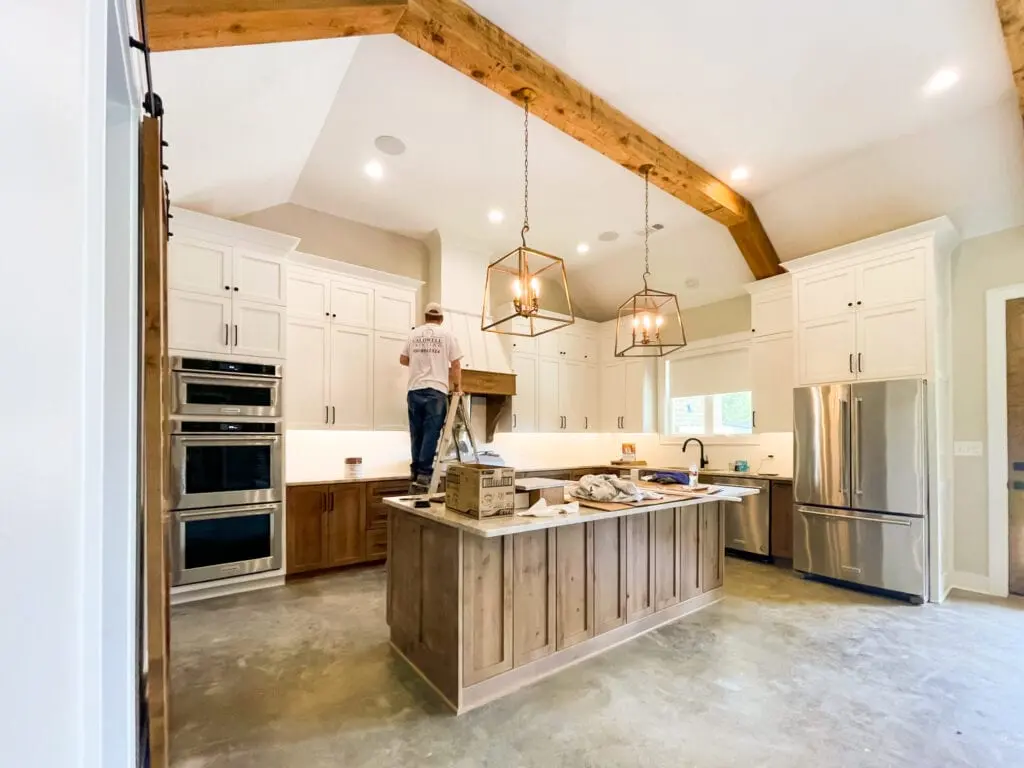
Cabinet painting isn’t just about products, it’s about skill. At Caldwell Painting, we use Renner 2K cabinet coatings, our go-to for cabinets. Why they’re special:
- Tough, durable finish: These two-part coatings cure harder than regular paint and stand up well to scratches, water and daily wear.
- Factory-Fresh Look: The finish is flawless, smooth, even, and built to last.
But here’s the kicker: 2K products aren’t for DIYers. They require precise mixing, specialized sprayers, and a pro’s touch. If you want cabinets that look brand new and hold up, find a painter who shoots Renner 2K every day.
A 2K coating costs about $500 to $1,000 more, but it lasts longer.
Final Thoughts
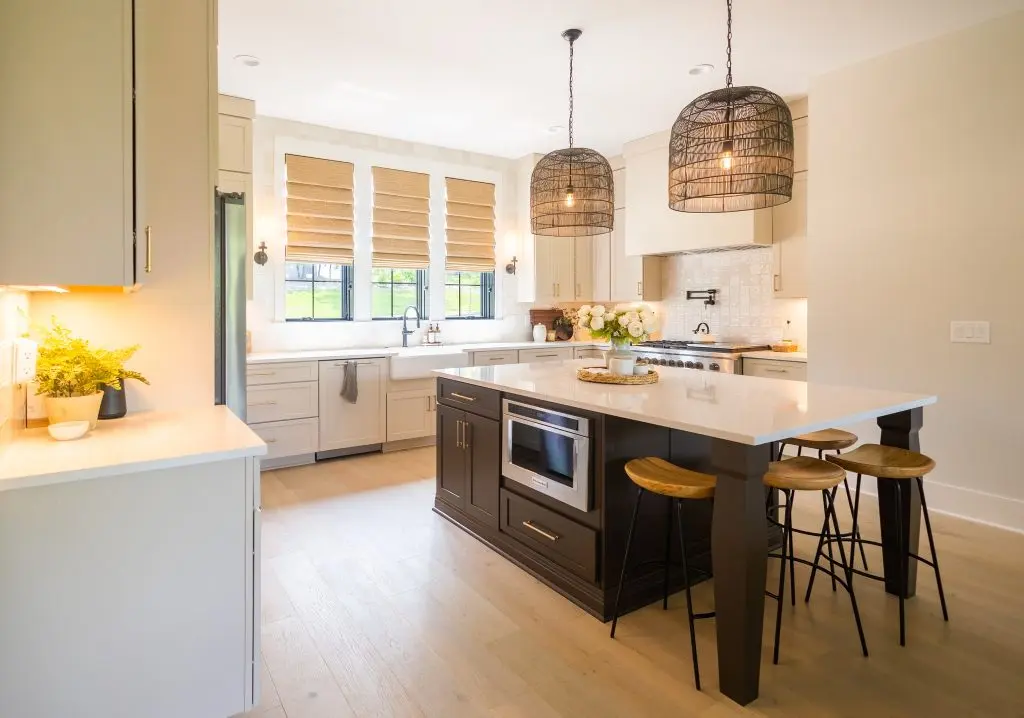
So, can you paint cabinets without sanding? Technically, yes, but in our experience it doesn’t hold up. Those no-sand miracle paints are a shortcut to disappointment, and kitchens are hard on them. For a finish that stands the test of time, sanding is a must. DIYers can nail it with Sherwin-Williams Emerald Urethane or Benjamin Moore Advance, plus a solid sanding and priming routine. Want a finish that looks like new? Hire a pro with Renner 2K coatings. Your cabinets are worth the effort, give them the treatment they deserve.
Frequently Asked Questions
Can you paint cabinets without sanding?
You can, but we don’t recommend it. Without sanding, paint has very little to grip on a smooth or glossy cabinet, so it’s much more likely to chip and peel, especially around the sink and on doors that get handled every day.
Do no sand cabinet paints really work?
They can look good right after they go on. In our experience, though, they don’t hold up to real kitchen use. If a product says no sanding needed, still clean and scuff sand the surface for the best chance at a lasting finish.
What grit sandpaper should I use on cabinets?
For scuff sanding before primer, 220 grit is a good place to start, and 320 works for smoothing between coats. You’re not trying to remove the old finish, just dull the surface so the primer can grab.
Do I need primer if I sand my cabinets?
Yes. Sand first, then use a primer made for cabinets and your topcoat. Sanding gives the primer something to hold on to, and the primer gives the paint a strong, even base.
What paint is best for DIY cabinet painting?
For DIY, we like Sherwin-Williams Emerald Urethane and Benjamin Moore Advance. Both level out well and hold up to daily use when they go over a sanded, primed surface.
Why do professionals use 2K coatings on cabinets?
A 2K coating is a two-part paint, a resin plus a hardener, that cures harder than regular paint. We use Renner 2K because it gives cabinets a tough, smooth finish that holds up to daily wear. It needs special spray equipment, so it’s not a DIY product.
If you’re in the Memphis or Nashville area and want your cabinets done right, reach out through our cabinet painting page and we’ll set up a time to take a look.
Keep reading
- How Much Does Cabinet Painting Cost? An Honest Breakdown
- Does Paint Quality Matter? The Best Paint for Your Memphis Home
- How to Choose the Best Paint for Kitchen Cabinets: DIY vs. Pro Options

Bart Caldwell is a entrepreneur and business owner. With his ambition, tenacity, and dedication to hard work, he has built Caldwell Painting that is respected throughout the industry for their high-quality services and innovative solutions. Bart’s passion for excellence in all service areas has seen him build a solid reputation as a reliable problem solver and leader. His reputation of professionalism, integrity and quality has made him one of the industry’s most sought-after business owners.